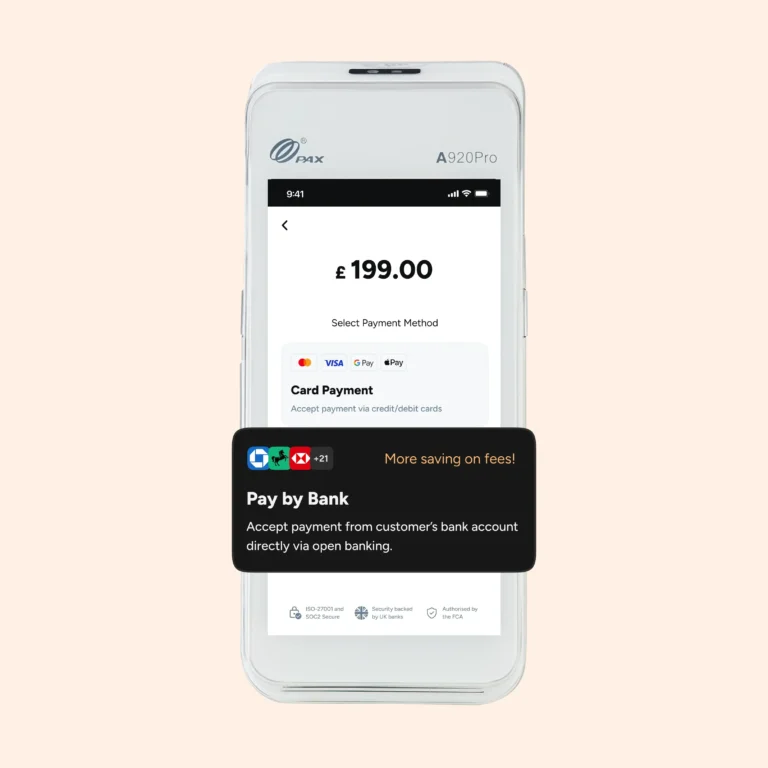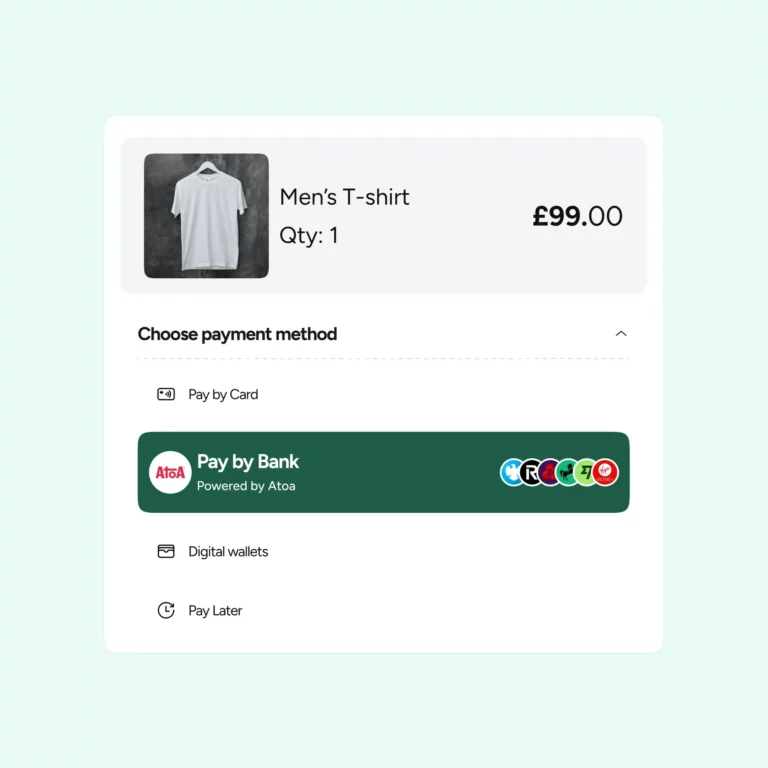
Running a UK dental practice, whether a single surgery or a 50-site group, means juggling brilliant patient care with the reality of delayed payments. Invoices go unpaid, BACS transfers lag, card fees chip away 2–3% per treatment plan, and refunds crawl through 3–5-day settlement windows. The result? Cash flow that feels more like a trickle. These modern-day problems need modern-day solutions. And the answer to these problems is Pay by Bank. Pay by Bank confirms a patient’s payment in seconds, with payouts at the end of each day (next day), 7 days a week, including bank holidays.
Let’s explore how this simple switch or addition can help your practice get paid sooner.
1. Next-day payouts, every day
A £1,200 implant deposit is confirmed before the patient leaves the chair and paid out next day. Ponko, a leading car dealership and workshop in Cambridge with over 300 vehicles, uses Atoa’s Pay by Bank solutions. They now handle 96% of transactions this way, saving over £6,000 in card fees monthly and unlocking major cash flow gains. Picture that reliability powering your practice’s treatment plans.
2. Cut fees by about 40%
Private treatment plans like implants or orthodontics already carry tight margins. Card transactions cost £24–£36 on a £1,200 course. Pay by Bank? Just £12–£18. Across 50 patients monthly, that’s £7,200–£10,800 saved annually. This can be money reinvested in equipment, staff, or marketing.
3. Dashboard refunds build loyalty
Cancelled hygiene slot? Send a refund from the Atoa dashboard. Handling refunds helps keep patients coming back. They reduce frustration and turn a potential one-off issue into a reason for trust, leading to more check-ups, whitening, and referrals. After all, in a world of quick-fix expectations, seamless service like this strengthens patient relationships and encourages word-of-mouth growth.
4. Zero chargebacks, zero fraud risk
No card data shared. Confirmation happens through Face ID in the patient’s banking app. Chargeback rate: 0%. With Pay by Bank, practices sidestep the entire chargeback process entirely. There are no disputes to investigate, no reversals to handle, and no unexpected deductions from revenue. So, this means smoother operations, fewer admin hours spent on paperwork, and the peace of mind that comes from payments secured directly through trusted bank verification, keeping focus squarely on patient care.
5. Collect more upfront deposits without the awkwardness
Big treatment plans like implants or Invisalign often need £500–£2,000+ deposits. Asking for card details or BACS can lead to delays or no-shows. Pay by Bank lets patients scan a QR code or tap a link and confirm via their banking app in seconds — no queues, no “I’ll transfer later.” With 90% of UK consumers already using Pay by Bank personally are viewing it as secure and straightforward way of getting paid. Practices see higher deposit collection on plans over £1,000, filling schedules and boosting revenue.
Ready to turn cash-flow stress into same-day certainty?
Switching to Pay by Bank isn’t about chasing the latest fintech trend, it’s about getting paid faster, keeping more of every treatment fee, and giving patients a checkout experience that feels as modern and painless as the care you deliver.
Whether you run one chair or fifty, the result is the same: Pay by Bank funds are paid out at the end of each day (next day), fees are about 40% lower than standard card fees, refunds are sent from the Atoa dashboard, and deposits are collected before the patient even stands up.
Want to see it in action without disrupting your current setup?
Book a quick, no-obligation demo with Atoa. We’ll show you exactly how Pay by Bank slots into your existing systems, gets you paid at the end of each day (next day), and starts saving fees from day one.

See Atoa's payment guides first on Google
Add Atoa as a preferred source and our guides show at the top of your Google Search results.
Frequently asked Questions
What is Pay by Bank?
Pay by Bank is an open banking payment method that moves money from a patient’s bank account to the practice in seconds, with the patient approving the payment in their own banking app. There are no card details shared and no chargebacks. Atoa is FCA-authorised (FRN 1007647) and runs Pay by Bank alongside your existing setup.
How does Pay by Bank improve dental practice cash flow?
Pay by Bank improves dental cash flow with payments confirmed in seconds and paid out at the end of each day (next day), 7 days a week, including bank holidays. A deposit can be confirmed before the patient leaves the chair. This gives practices a more reliable view of incoming money.
Can I cut card fees with Pay by Bank?
Yes, Pay by Bank can cut card fees by about 40%, which matters on high-value private treatment plans like implants and orthodontics where card costs eat into tight margins. Because it moves money account-to-account, it avoids the card networks. Atoa’s Pay by Bank starts from 0.7% plus VAT.
Does Pay by Bank offer refunds?
Yes, Pay by Bank supports refunds from the Atoa dashboard, so a cancelled appointment can be refunded against the original payment. Handling refunds helps reduce patient frustration and build trust. There are also no chargebacks, since each payment is approved in the patient’s Bank app with Strong Customer Authentication.
How can dental practices collect deposits upfront?
Dental practices can collect upfront deposits by sending a payment link or showing a QR code that the patient taps and confirms in their banking app in seconds, with no queue and no “I’ll transfer later”. This makes it easier to secure deposits on larger treatment plans and helps fill the schedule. Atoa lets practices collect these deposits alongside their existing payment methods.
This publication is provided for general information purposes and does not constitute legal, tax or other professional advice from Atoa. We make no representations, warranties or guarantees, whether expressed or implied, that the content in the publication is accurate, complete or up to date. All logos and trademarks are property of their respective owners.